-
Sports activities help children improve coordination, balance, and motor skills.
-
Confidence grows through skill mastery, teamwork, and personal achievement.
-
Team and individual sports offer unique benefits for social and emotional development.
-
Age-appropriate sports allow kids to progress at their own pace while staying engaged.
-
Supportive parents and coaches play a crucial role in fostering self-esteem.
-
Daily mini-exercises and low-pressure alternatives complement formal sports training.
-
Physical activity can enhance academic performance and overall well-being.
Helping kids grow into confident, capable, and physically active individuals doesn’t require fancy equipment or elite-level training. Sometimes, all it takes is the right mix of sports activities that nurture their natural abilities while making movement fun and rewarding. Whether your child is outgoing, shy, athletic, or just starting out, the right sports can help strengthen coordination, build self-esteem, develop social skills, and instill lifelong healthy habits.
This in-depth guide explores dozens of sports activities for kids that boost confidence and coordination. We’ll cover individual and team options, indoor and outdoor ideas, questions parents commonly ask, and the practical benefits each sport offers. The tone stays casual and encouraging—perfect for parents, guardians, teachers, and coaches who want to inspire kids to move more and enjoy the process.
Why Do Sports Activities for Kids Matter?
Kids don’t just burn energy when they play sports—they shape essential life skills. Sports help children:
-
Improve balance, agility, and body awareness
-
Strengthen motor skills and reflexes
-
Build emotional resilience
-
Learn teamwork and communication
-
Develop discipline and motivation
-
Gain confidence through progress and achievement
From early childhood through the teenage years, sports become a foundation for healthy identity formation. Even small wins—like learning to dribble without losing the ball—can significantly boost a kid’s self-esteem.
What Makes a Sport Good for Building Confidence and Coordination?
Not all sports provide the same benefits, and not every child connects with the same type of activity. The best sports for building confidence and coordination share a few traits:
-
Clear skill progression: Kids improve step-by-step, which reinforces their sense of accomplishment.
-
Positive environment: Encouragement from coaches and peers helps kids feel supported.
-
Movements that train balance, hand-eye coordination, and spatial awareness: Essential for physical development.
-
Opportunities for personal and team success: Helps kids grow emotionally and socially.
When selecting sports activities for kids, consider their personality, interests, and comfort level with competition. Some thrive in loud, fast-paced team sports, while others feel more confident in solo or low-pressure environments.
Team Sports Activities for Kids That Build Confidence
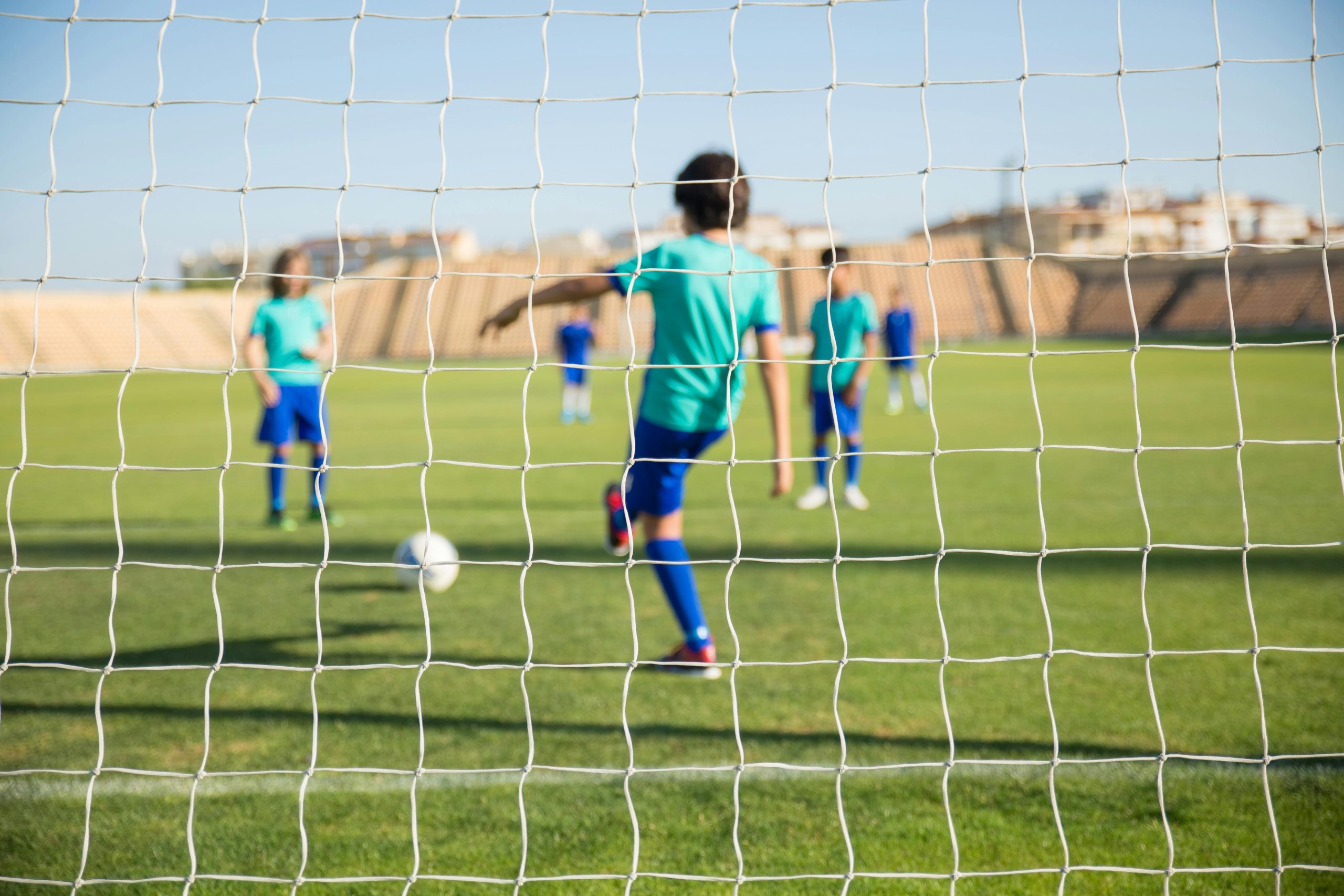
Team sports can be powerful confidence boosters because they help children feel like they’re part of something bigger. They learn how to collaborate, communicate, and celebrate group victories.
1. Soccer
Soccer tops the list of sports activities for kids because it’s easy to learn, inclusive, and widely available.
Benefits for confidence and coordination:
-
Strengthens footwork and full-body coordination
-
Encourages quick decision-making
-
Builds endurance and spatial awareness
-
Helps shy children open up socially
Why kids love it: Constant movement keeps things exciting.
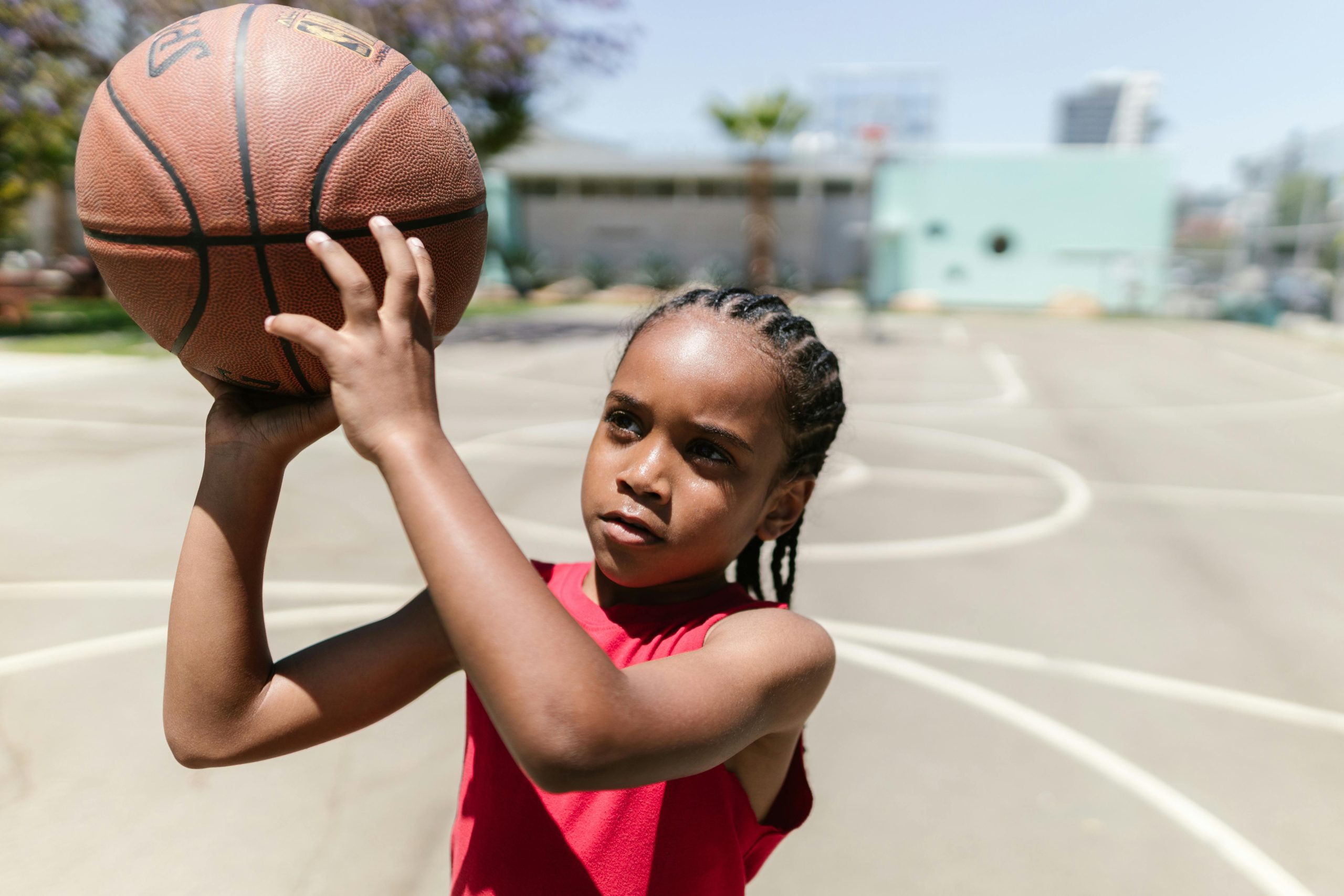
2. Basketball
Basketball develops hand-eye coordination, balance, and agility. Even basic drills like dribbling and passing boost coordination.
Confidence-building aspects:
-
Frequent scoring opportunities make kids feel successful
-
Team play builds communication skills
-
Many chances for personal improvement, whether shooting or passing
Basketball’s fast pace keeps kids engaged and motivated.
3. Baseball or Softball
These sports help kids refine precision and patience.
Benefits:
-
Hand-eye coordination through batting and catching
-
Understanding timing, aim, and anticipation
-
Team camaraderie and shared goals
-
Great for kids who prefer slower, structured games
Because every child gets a turn, it helps boost self-worth in a supportive setting.
4. Volleyball
Volleyball teaches teamwork, coordination, and focus since players must anticipate the ball’s path.
Why it boosts confidence:
-
Players celebrate every good rally
-
Kids learn to trust teammates
-
Quick reflexes and movement patterns improve coordination
Volleyball is also excellent for older kids and pre-teens who enjoy cooperative sports.
5. Flag Football
A safer alternative to tackle football, flag football emphasizes speed, agility, and teamwork.
What it teaches:
-
Strategic thinking
-
Quick directional changes
-
Confidence through role specialization (throwing, running, defending)
Because it’s non-contact, it’s less intimidating for beginners.
Individual Sports Activities for Kids That Strengthen Coordination
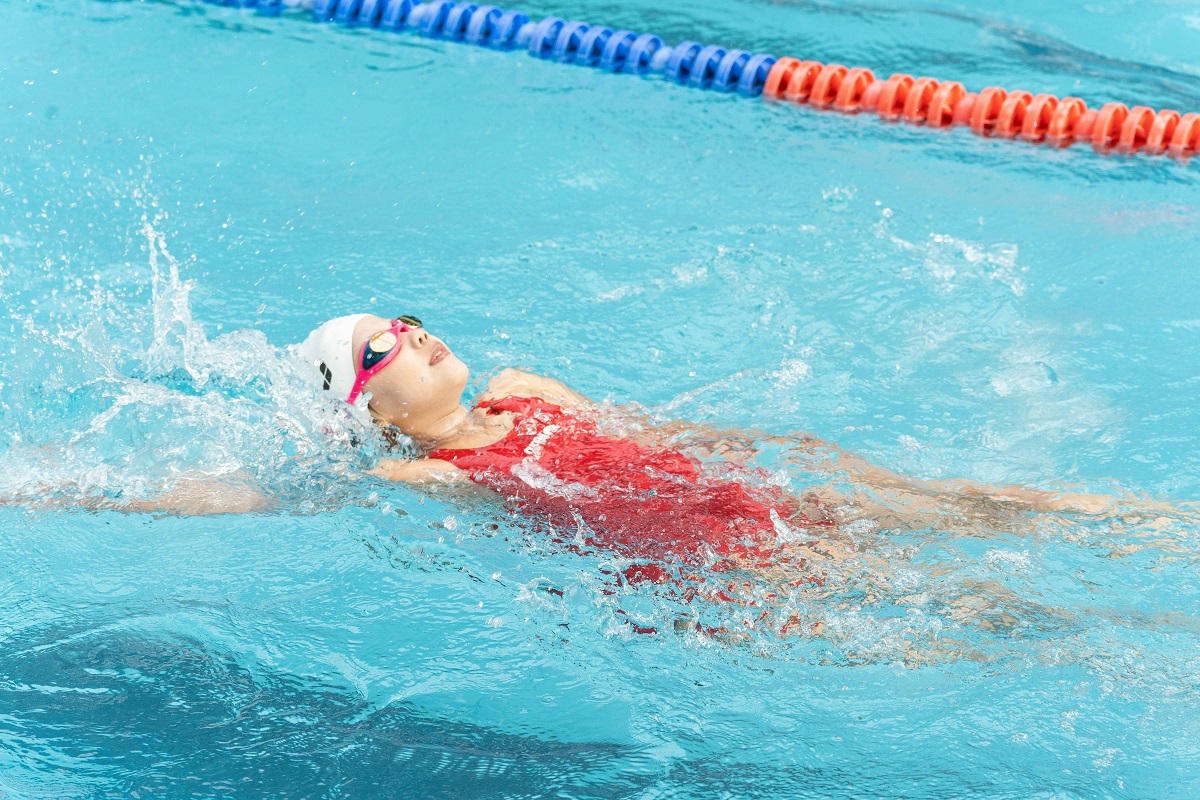
Individual sports allow kids to progress at their own pace. These activities are great for boosting confidence because improvements are measurable and highly personal.
6. Swimming
Swimming is one of the best total-body coordination builders.
Development benefits:
-
Strengthens core and limb coordination
-
Improves breathing control
-
Promotes confidence in water safety
Kids also gain a sense of independence as they master strokes and techniques. This is also a great way for families to explore summer pool upgrades that encourage kids to spend more time moving and practicing water skills.
7. Martial Arts
Disciplines like karate, taekwondo, and judo provide structured skill progressions that keep kids motivated.
Key benefits:
-
Teaches discipline and respect
-
Builds balance, strength, and precision
-
Boosts confidence through belt-ranking achievements
Martial arts are especially helpful for kids who thrive with routine and clear expectations.
8. Gymnastics
Gymnastics develops flexibility, strength, and coordination at a young age.
Why it enhances confidence:
-
Visible progress through new skills and routines
-
Encourages body control and awareness
-
Helps shy kids gain courage when performing
Even simple balance beam exercises can dramatically increase coordination.
9. Tennis
Tennis improves quick reactions, footwork, and concentration.
Benefits:
-
Builds fine motor coordination
-
Teaches strategy and focus
-
Great for one-on-one confidence development
Private or small-group lessons help kids grow at their own pace.
10. Track and Field
Ideal for kids who love to run, jump, or throw.
What kids learn:
-
How to set and achieve personal records
-
Core coordination skills like sprint starts and hurdle timing
-
Confidence through consistent improvements
Track offers several events, so kids can find their favorite.
Outdoor Sports Activities for Kids for Better Balance and Coordination
Outdoor sports come with extra benefits: sunshine, fresh air, and plenty of space to move.
11. Cycling
Learning to ride a bike is a major milestone for kids.
Benefits:
-
Enhances balance and core stability
-
Boosts independence and confidence
-
Encourages active family outings
Cycling also helps kids overcome fear, giving them a tremendous sense of accomplishment.
12. Skateboarding or Rollerblading
These sports challenge coordination in an exciting way.
Skills developed:
-
Balance
-
Agility
-
Spatial awareness
-
Reflexes
Kids learn persistence through trial and error, which builds emotional resilience.
13. Hiking
Hiking doesn’t feel like exercise, but it strengthens muscles and improves coordination.
Why it helps kids:
-
Navigating uneven terrain enhances balance
-
Builds endurance
-
Boosts self-confidence through exploration and discovery
It’s also an excellent bonding activity for families.
14. Archery
Archery is a unique sport that focuses on precision.
Coordination benefits:
-
Improves hand-eye coordination
-
Teaches patience
-
Develops upper-body strength and focus
Kids love the sense of accomplishment that comes with hitting a target.
Indoor Sports Activities for Kids for All-Weather Play
Indoor environments allow for year-round activities, especially in areas with extreme temperatures.
15. Indoor Rock Climbing
Climbing helps kids solve problems and build confidence at every level.
Benefits:
-
Strengthens full-body coordination
-
Builds grip strength
-
Teaches determination and self-assessment
Kids feel proud as they reach new heights—literally.
16. Badminton
Badminton is ideal for developing quick reflexes.
What it improves:
-
Timing and anticipation
-
Hand-eye coordination
-
Light footwork and balance
It’s easier to learn than tennis and perfect for younger kids.
17. Dance Classes
Dance is both expressive and athletic.
Why it boosts confidence:
-
Allows creative movement
-
Improves rhythm and motor skills
-
Helps kids feel comfortable performing
From hip-hop to ballet, there’s a style for every personality.
18. Jump Rope Training
Jumping rope might seem simple, but it’s incredibly powerful for coordination.
Benefits:
-
Enhances footwork
-
Strengthens cardiovascular fitness
-
Encourages rhythm and timing
Kids can practice almost anywhere.
Sports Activities for Kids That Build Social Confidence
Some sports focus heavily on communication and partnership, helping kids become more socially confident.
19. Cheerleading
Cheerleading blends stunts, dance, and teamwork.
Benefits:
-
Strengthens coordination, balance, and timing
-
Requires trust and communication
-
Builds stage confidence
Kids quickly learn the importance of working together.
20. Synchronized Swimming or Dance Teams
These sports emphasize timing and unity.
What kids learn:
-
How to cooperate seamlessly
-
Precision in movement routines
-
Confidence performing as a group
These are great for kids who thrive in cooperation-driven environments.
21. Double Dutch
Double Dutch jump rope improves rhythm and teamwork.
Benefits:
-
Hand-eye and foot coordination
-
Creativity in routines
-
Team synchronization
It’s fun, social, and physically engaging.
How Do You Choose the Best Sports Activity for Your Child?
Choosing the right sport depends on personality, comfort level, and interests.
Ask These Questions:
-
Does your child prefer indoor or outdoor activities?
-
Do they enjoy being part of a team or working alone?
-
Are they outgoing or more reserved?
-
Do they like fast-paced action or slow, thoughtful play?
-
Do they thrive with structure or creativity?
When in doubt, expose them to several options. Kids often surprise parents with unexpected interests.
How Often Should Kids Engage in Sports Activities?
Most experts recommend at least 60 minutes of movement per day, but this doesn’t have to be intense. A mix of structured sports, free play, and simple movement is enough to support healthy development.
Kids involved in organized sports typically practice 2–3 times per week, depending on age and skill level.
Sports Activities for Kids That Improve Coordination at Different Ages
Ages 3–5
-
T-ball
-
Simple soccer drills
-
Tumbling or toddler gymnastics
-
Balance-bike riding
-
Mini obstacle courses
Focus on fun and basic motor skills.
Ages 6–9
-
Swimming
-
Basketball
-
Dance
-
Cycling
-
Tennis
Kids can handle structured activities and start developing technique.
Ages 10–13
-
Volleyball
-
Rock climbing
-
Track and field
-
Martial arts
-
Team soccer or basketball
This age group enjoys challenge, strategy, and group play.
Teens
-
Competitive sports
-
Weight training (supervised)
-
Long-distance running
-
Advanced dance
-
Skateboarding
Teen athletes gain a stronger sense of identity and confidence.
What Role Do Coaches and Parents Play in Confidence Building?
A supportive adult can make or break a child’s sports experience.
Parents can help by:
-
Offering encouragement rather than criticism
-
Avoiding pressure
-
Letting kids explore different sports
-
Celebrating effort over results
Coaches can help by:
-
Maintaining a positive teaching environment
-
Providing clear instruction
-
Encouraging teamwork and fairness
-
Making practices fun and engaging
For busy families, having the right support—like skilled coaches, organizers, and other professionals—can make a huge difference. These are some of the professionals every modern family needs to help children thrive both in sports and in everyday life.
Signs Your Child Is Gaining Confidence Through Sports
-
They talk excitedly about practice
-
They volunteer to try new skills
-
They show persistence when failing
-
They communicate more with peers
-
They walk with better posture and energy
Sports can change how kids view themselves—and others.
Sports Activities for Kids That Boost Coordination in Everyday Life
Here are small daily activities that complement sports training:
-
Playing catch
-
Balancing on one foot
-
Hopscotch
-
Jumping side-to-side
-
Throwing balls into baskets
-
Practicing simple dance steps
These mini exercises build foundational skills that support more complex sports movements.
Fun and Low-Pressure Alternatives to Traditional Sports
These activities still build coordination and confidence without the competitive aspect:
-
Kayaking
-
Trampoline play
-
Scooter riding
-
Yoga for kids
-
Slacklining
-
Frisbee games
-
Paddleboarding
They’re perfect for kids who love movement but aren’t into formal sports.
How Sports Activities for Kids Improve Academic Success
Physical activity contributes to better learning.
Sports help kids academically by:
-
Increasing concentration
-
Improving memory
-
Enhancing mood and reducing anxiety
-
Teaching goal-setting
-
Encouraging discipline
Studies consistently show that physically active kids perform better in school.
Common Questions from Parents About Kids and Sports
What if my child is shy?
Start with low-pressure activities like swimming, tennis, or cycling. As confidence grows, they may feel ready to join team sports.
What if my child isn’t naturally athletic?
Skills develop with practice. Encourage progress, not perfection.
What if they want to quit?
Explore why. Are they overwhelmed? Bored? Discouraged? Sometimes switching coaches or trying a new sport helps.
How do I avoid over-scheduling?
Limit organized sports to what fits comfortably in your family’s weekly routine.
In a Nutshell
Sports activities for kids do far more than build muscle—they shape character, confidence, coordination, and emotional well-being. Whether your child loves team play, solo challenges, indoor environments, outdoor adventures, or creative movement, there’s a perfect activity to support their development. The key is to encourage exploration, keep things fun, and let kids grow at their own pace.
With the right sport and a supportive environment, every child can experience the joy of gaining new skills, making friends, and developing lifelong confidence through movement.