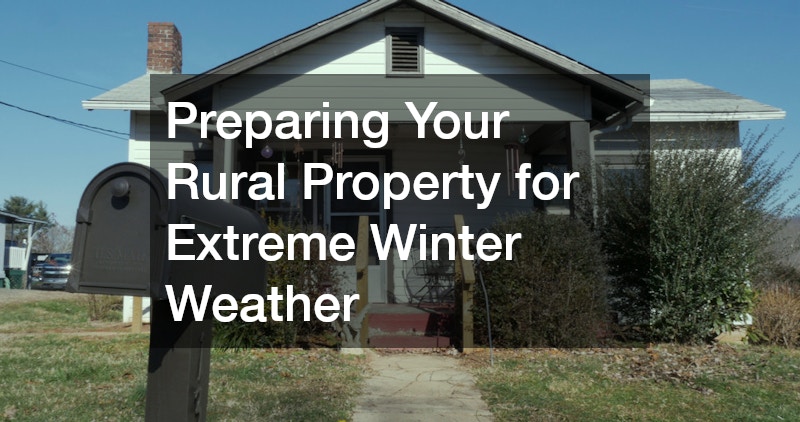
Living on a rural property brings an unmatched sense of freedom, space, and connection to the landscape. However, it also demands a unique level of accountability. When winter arrives in the countryside, it does not just bring picturesque snowfall; it brings freezing winds, heavy ice accumulation, isolated roads, and the very real possibility of extended power grid failures. In a suburban neighborhood, a municipal crew clears your street within hours, and utility trucks are usually just down the block. Out here, you are your own first responder.
The transition from late autumn to early winter is a critical window for rural property owners. Waiting until the first major blizzard is predicted to check your equipment or secure your perimeter is a recipe for expensive, stressful emergencies. A truly proactive winterization strategy isn’t just about throwing an extra log on the fire or buying a few extra cans of soup. It requires a systematic, ground-up evaluation of your entire acreage. By addressing potential vulnerabilities early, you protect your physical assets, safeguard your finances from emergency repair bills, and ensure that your household remains safe, warm, and entirely self-reliant through the darkest months of the year.
Mitigating Property Damage by Eliminating Yard Hazards
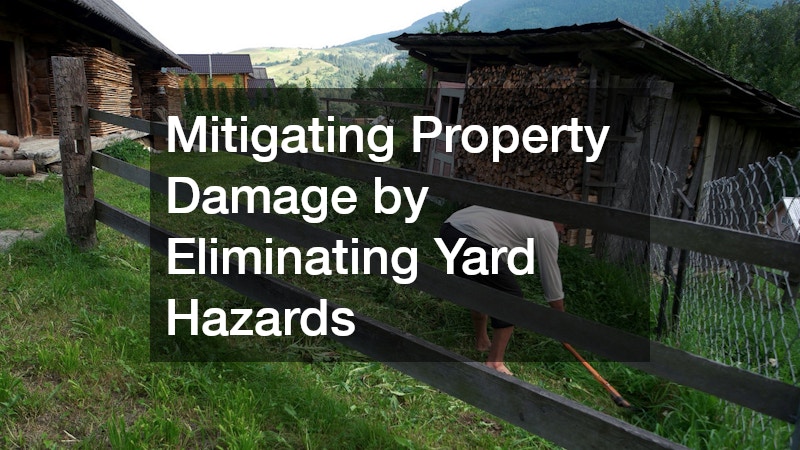
The first line of defense begins out in the open fields and pastures. Before a thick blanket of snow obscures the landscape, you need to take an objective look at everything sitting on your dirt. Items left haphazardly in fields or near driveways can rapidly transform into dangerous hidden traps once buried under a foot of snow, easily destroying the blades of a snowblower or puncturing the tires of a tractor.
Take a Saturday afternoon to walk your fence lines and perimeter zones. Look closely for old, degraded infrastructure or accumulated junk that has outlived its usefulness. Over time, forgotten sections of wire fencing, rusted agricultural implements, and broken appliances tend to blend into the tall weeds. When heavy winds howl across open acreage, loose corrugated metal or unanchored junk can become destructive projectiles. This is the ideal time to gather up discarded metal items and call a scrap metal recycling company to clear the debris. Removing these industrial eyesores not only cleans up the visual landscape for spring but prevents heavy winter moisture from rusting these materials further into the topsoil. It also ensures that your land remains completely safe for livestock or local wildlife that might traverse your outer boundary lines during a whiteout.
Simultaneously, pay close attention to any recreational or marine equipment stored outside. Rural properties often become the final resting place for project boats that have been sitting under cracked blue tarps for years. Left unaddressed, a heavy, wet winter snow load can completely crush an old hull, filling the cockpit with ice, snapping trailers, and creating an environmental mess of fiberglass and old fuel. Arranging for a professional boat removal service before the first hard freeze ensures that you reclaim valuable yard space, eliminate a structural collapse hazard, and keep your primary driveways and access roads completely clear for emergency vehicles or fuel delivery trucks. Taking these steps allows you to look out across your pastures with the peace of mind that nothing is waiting beneath the drifts to cause a mechanical disaster.
Fortifying Workshops, Shelters, and Equipment Storage
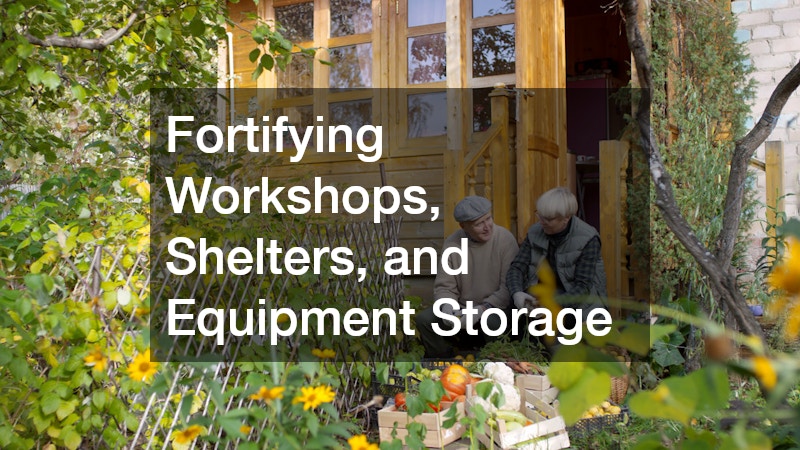
Once the ground is cleared of hazards, your focus should shift to the structures that shield your investments. Rural life depends heavily on machinery, tools, and stored firewood, all of which require robust protection from moisture and sub-zero temperatures.
If you find that your existing wooden barns and three-sided equipment sheds are bursting at the seams, you might need a more permanent, heavy-duty solution to protect high-value tractors, ATVs, and winter implements. Investing in a prefab metal building is an exceptionally reliable way to secure your assets against the elements. These structures handle massive snow loads and high wind sheer much better than aged timber framing, providing an engineered, dry environment where your diesel engines won’t be subjected to direct frost and driving sleet. Furthermore, these modern metal structures offer superior pest resistance, preventing field mice and rats from nesting in the wiring harnesses of your expensive farm machinery during the winter months. Because they assemble quickly, you can easily establish a reliable central repair hub well before the deep freeze sets in.
For existing outbuildings that simply need reinforcement before the heavy snow hits, structural integrity is paramount. Inspect the roof rafters of your animal shelters and hay sheds for any signs of sagging, wood rot, or bowing. If you notice weak points, reinforce the load-bearing walls and add interior collar ties to prevent a catastrophic roof collapse under wet ice. For these repairs, sourcing high-quality local lumber material ensures that you are using wood acclimated to your regional climate, while simultaneously supporting businesses right in your community. Use this lumber to build sturdy lean-tos for seasoned firewood, keeping your heating fuel stacked high, dry, and easily accessible from the main house. Protecting your fuel supply means your primary source of thermal warmth remains completely secure, no matter how intense the ambient moisture becomes.
Reducing Energy Loss Through Advanced Insulation Techniques
With the exterior structures secured, it is time to turn your attention inward to the mechanical heart of the property. Heating a large rural home and its accompanying workspaces can quickly become an astronomical expense if your systems are inefficient or losing heat to the outdoors.
To systematically address thermal efficiency, follow these critical steps:
-
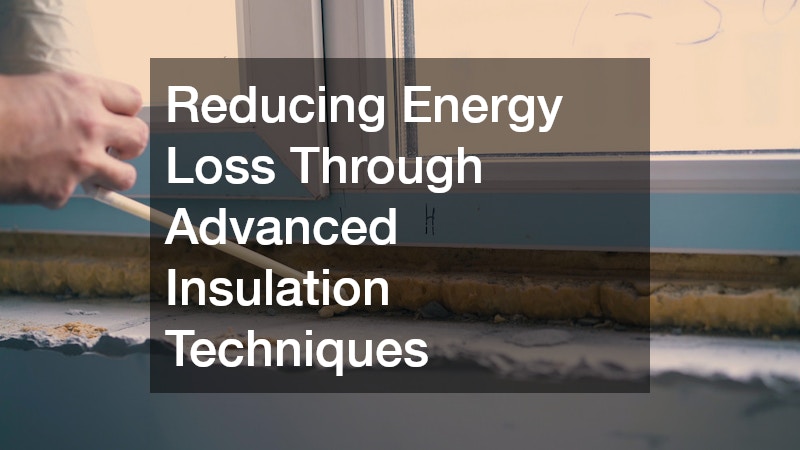
Perform a thorough diagnostic walk-through of all conditioned spaces, utilizing a thermal camera or a simple smoke pen to identify drafts around window casings, entry doors, and foundation sills.
-
Apply high-grade exterior silicone caulk to any structural gaps, and replace worn weatherstripping on all exterior doors, including large overhead garage doors.
-
Inspect outdoor mechanical equipment, wellheads, and industrial valves that are continuously exposed to biting winds. Wrapping these vulnerable components in custom-fitted thermal insulation covers prevents the severe temperature drops that cause metal stress, valve failure, and frozen fluids.
-
Clean or replace all air filters in your main residential heating systems to maximize airflow and reduce mechanical strain.
-
Hire certified HVAC contractors to perform an annual multi-point inspection on your furnaces, heat pumps, or outdoor wood boilers, ensuring that fuel lines are clean, heat exchangers are free of cracks, and electronic ignition systems are functioning flawlessly before the deep freeze sets in.
By executing these checks methodically, you ensure your machinery operates at peak efficiency. This prevents sudden component failures when the thermostat drops to its lowest levels, safeguarding both your physical comfort and your operational budget. When winter winds howl at midnight, knowing your primary heating system has been vetted by an expert gives you the breathing room to focus on other outdoor property tasks. It eliminates the stressful guesswork that often accompanies managing a multi-zone rural heating setup during unexpected sub-zero cold snaps. Taking these preventative measures gives you the operational stability required to run a high-demand household all winter long without sudden, frantic midnight troubleshooting sessions.
Preventing Burst Pipes and Maintaining Water Security
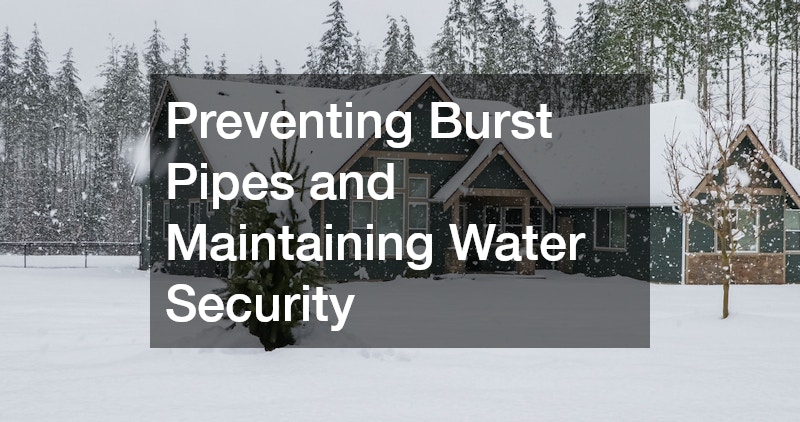
There is perhaps no winter emergency more disruptive or damaging than a burst water main or a frozen well pump. When lines freeze in a rural setting, you cannot simply call a city utility crew to turn a valve at the street. You are dealing with underground infrastructure, well pits, and long pipe runs that require careful monitoring.
The absolute best way to manage water systems in the winter is to look at your plumbing through a preventative lense. Every year, before the thermometer dips below freezing, you must completely isolate your outdoor water usage from your indoor lines. Shut off the interior valves leading to outdoor sillcocks, open the exterior faucets to drain any trapped water, and disconnect all garden hoses. If you have automated irrigation lines running to a garden or livestock troughs, use an air compressor to blow out the residual moisture so the lines do not split underground.
If you are planning any structural changes, upgrading a mudroom, or working on a home remodeling project during the cooler months, use that opportunity to reroute vulnerable plumbing away from exterior uninsulated walls. For complex issues, such as insulating a deep well pump house or installing a reliable frost-free hydrant out in the pasture, it is wise to partner with local plumbers who understand the specific soil depths and freeze lines of your geographic area. They can install heat tape with integrated thermostats on exposed main lines, ensuring your household and livestock have an uninterrupted water supply when the temperature plummets. This targeted expertise keeps the lifeblood of your homestead flowing smoothly throughout the season. Furthermore, it ensures that your internal home modifications are built to last, preventing hidden leaks from warping new drywall or ruining lower-level ceilings while the ground outside is completely frozen solid. It gives you the structural confidence to handle severe cold snaps without worrying about hidden plumbing disasters ruining your structural hard work.
Safekeeping Critical Asset Protection and Emergency Gear
The final piece of the rural winterization puzzle involves organizing and protecting the tools, gear, and supplies you rely on for security and self-reliance. When an ice storm cuts off electricity and blocks your driveway, your survival depends entirely on the gear you have stored safely inside your shop or home.
Creating an organized, dedicated emergency storage hub prevents you from scrambling in the dark when the power goes out. Instead of buying expensive plastic shelving units that crack in freezing temperatures, you can construct heavy-duty custom storage racks and tool benches using affordable salvage wood sourced from old barns or deconstructed local buildings. This wood adds character to your workshop while providing a rock-solid, heavy platform for storing heavy emergency equipment like generators, extra fuel cans, chainsaws, and heavy mechanics’ tools up off the damp, freezing concrete floor. Having these items laid out systematically saves precious time when you need to clear a fallen tree branch or fire up your auxiliary power systems in a pinch. Keeping your staging environment warm and logically organized acts as your anchor during an intense natural event.
In addition to basic emergency provisions, property security and asset protection should remain top priorities during the isolated winter months. Severe weather can delay law enforcement response times significantly, making it essential that your personal protection assets are kept in pristine, working order. If you need to upgrade your security safes, purchase weather-resistant storage cases, or stock up on cold-weather lubricants to prevent firing mechanisms from freezing, a quick trip to a reputable gun store will ensure you have the specialized equipment required to protect your household. Store these items in a climate-controlled environment where shifting winter humidity won’t cause rust or degradation, keeping your security gear as ready for action as the rest of your winterized property. Taking time to properly inventory your mechanical supplies, defensive tools, and first-aid gear transforms your outbuildings from simple storage areas into highly secure centers of operational readiness, allowing you to weather any storm with complete confidence. Maintaining this disciplined organization means that when visibility drops and mobility becomes restricted, your primary survival hub functions as an impenetrable shield against chaotic outdoor conditions.
Embracing the Quiet Security of Winter
When the clouds finally roll in and the first true blizzard of the season blankets your acreage in white, the value of your hard work becomes instantly apparent. There is a profound sense of peace that comes from sitting by a warm stove, knowing that your outbuildings are structurally sound, your water lines are thoroughly protected, your emergency gear is organized, and your property is entirely clear of hidden hazards.
Rural self-reliance is not about attempting to predict the unpredictable nature of winter weather. Rather, it is about respecting the power of the seasons and intentionally building a resilient environment that can withstand whatever challenges come its way. By taking the time to methodically clear, fortify, insulate, and secure your homestead during the autumn months, you transform winter from a season of anxiety and expensive emergencies into a time of quiet security, comfort, and confidence.