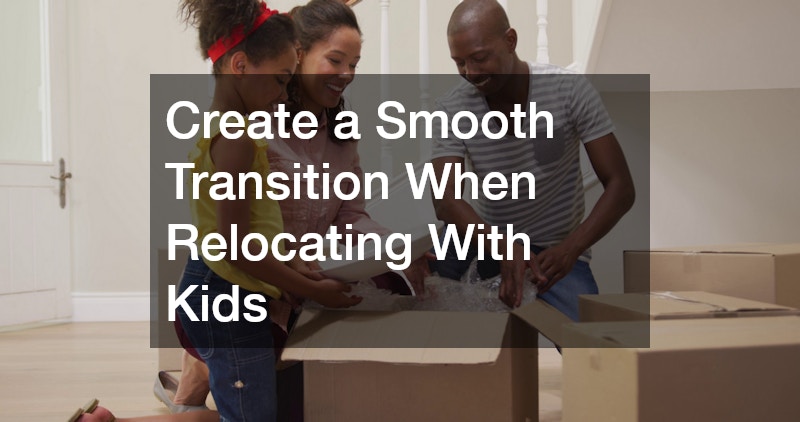
Relocating with children can feel like juggling logistics, emotions, and uncertainty all at once. Kids often experience a move very differently from adults do, even when the change is ultimately positive. A smooth transition doesn’t happen by accident—it’s built through thoughtful planning, clear communication, and consistent support before, during, and after the change. This guide walks parents through each stage of the process with practical, realistic advice designed to reduce stress and help kids feel secure as your family starts a new chapter.
Preparing Kids Emotionally Before the Change Begins
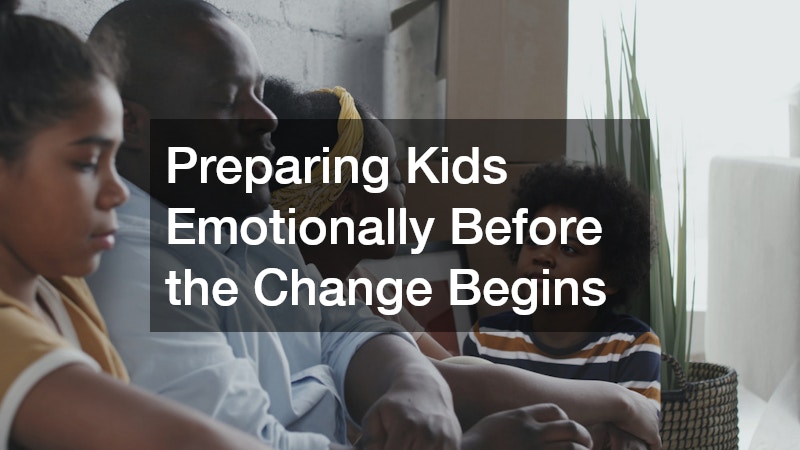
Relocation starts long before boxes appear. One of the most important early steps is helping children understand what’s happening and why. Kids are incredibly perceptive, and even if details are kept vague, they often sense when something big is changing. The way parents frame the experience can significantly influence how children interpret and cope with the entire process of moving. When the change is presented as something happening to them rather than with them, anxiety and resistance tend to increase.
Start with honest, age-appropriate conversations that evolve over time. Younger children typically need reassurance more than details. They may worry about whether their favorite toys, routines, or family members will still be part of daily life. Simple explanations that focus on consistency—same parents, same bedtime routines, same favorite stories—help anchor them emotionally. Older kids, on the other hand, are often more concerned with specifics. They may want to know when the move will happen, what school they’ll attend, whether they’ll be able to keep in touch with friends, and how daily life might change.
It’s important to avoid overloading children with information all at once. Sharing too many details too early can feel overwhelming, especially when plans are still fluid. Instead, think of this as an ongoing conversation that unfolds in stages. Revisit the topic regularly, check in on how they’re feeling, and update them as decisions become more concrete. This approach builds trust and helps kids feel emotionally prepared rather than blindsided.
Helpful strategies include:
- Letting kids ask questions freely, even if you don’t have all the answers yet. It’s okay to say, “I’m not sure yet, but I’ll tell you when I know.” This model of honesty keeps communication open.
- Acknowledging mixed emotions without trying to immediately fix them. Excitement and sadness can coexist, and validating both helps children feel understood rather than dismissed.
- Using calendars or visual timelines to show key milestones, such as when packing will start, when goodbyes will happen, and when the family will settle into the new home. Visual cues make abstract timelines more concrete.
- Sharing what excites you as a parent, while also validating what’s hard. This balanced perspective shows kids that it’s okay to feel more than one way about the change.
Giving children a sense of control can also make a meaningful difference. Relocation often involves many decisions made by adults, which can leave kids feeling powerless. Offering small, age-appropriate choices helps restore a sense of agency. Let them decide which toys to pack first, choose a special item to keep with them during the transition, or plan how they want their new room to look. Some kids may enjoy taking photos, drawing pictures, or keeping a small journal to document memories before leaving, which can help them process the change emotionally.
Emotional preparation doesn’t eliminate challenges, but it does reduce uncertainty and fear. When children feel heard, informed, and involved, they’re more likely to approach the transition with curiosity rather than resistance. Over time, this foundation helps them feel like active participants in the change, not passive passengers being carried along by it.
Choosing a Home That Supports Family Routines
Where you live directly affects how your family functions day to day. The layout, location, and overall feel of a home influence everything from morning routines to how easily family members connect at the end of the day. When evaluating potential homes, it’s helpful to think beyond square footage or finishes and focus on how the space will support your family’s habits, relationships, and energy levels, especially during a period of transition.
Many families find that townhomes for rent offer a practical balance between privacy and community. Having neighbors nearby can reduce the sense of isolation that sometimes follows a move, while still providing defined living space for each family member. Shared courtyards, sidewalks, or green spaces often create natural opportunities for kids to meet peers and for parents to connect with other families. Walkable layouts also make it easier for children to explore safely and build independence over time.
When evaluating a new home, consider how specific features will function in everyday life rather than how they look during a short tour:
- Layouts that allow supervision without crowding can help parents stay connected to younger children while still giving everyone room to breathe. Open sightlines between kitchens, living areas, and play spaces often make daily routines smoother.
- Storage for sports gear, school supplies, and seasonal items helps prevent clutter from becoming a constant source of stress. Adequate storage makes it easier to maintain order when routines are still settling.
- Quiet spaces for homework and decompression are especially important after long school days or emotionally draining transitions. Even a small nook or spare room can become a calming retreat.
- Safe outdoor areas or nearby parks provide kids with opportunities to release energy, explore their surroundings, and build familiarity with the neighborhood in a low-pressure way.
It’s also helpful to think through how mornings and evenings will realistically flow in the space. Consider where backpacks will land after school, how traffic moves through the kitchen during breakfast, and whether bedtime routines allow for calm and connection. A well-designed space doesn’t eliminate stress, but it can significantly reduce daily friction. During an already demanding adjustment period, a home that supports smooth routines can make the difference between feeling constantly overwhelmed and feeling steadily grounded.
Researching Schools and Early Learning Options

Education is often one of the biggest concerns for parents during relocation, and for good reason. School is where children spend a large portion of their day, build friendships, and regain a sense of normalcy. A positive school experience can serve as an emotional and social anchor during times of change, helping kids establish routines and feel connected more quickly in a new environment.
When researching the best elementary schools, it’s important to look beyond rankings and test scores. While those metrics can offer a general snapshot, they rarely capture what day-to-day life is actually like for students. Factors such as class sizes can influence how much individual attention children receive, while teacher retention often reflects the stability and overall health of a school community. Communication style also matters—some families thrive with frequent updates and open dialogue, while others prefer a more structured approach. Scheduling in-person tours or virtual meetings allows parents to observe interactions, ask specific questions, and get a feel for the school culture in ways data alone cannot provide.
For families with younger children, early childhood education plays a crucial role in emotional development during transitions. Young children rely heavily on routine and familiarity, and a nurturing learning environment can help offset the uncertainty that comes with a move. Consistent daily schedules, warm and responsive caregivers, and predictable expectations help children feel safe and supported as they adjust. Strong relationships with teachers can also provide parents with reassurance that their child’s emotional needs are being met during this period of change.
Practical tips for navigating school transitions include:
- Ask schools how they help new students integrate socially, especially when they enroll outside of the typical school year.
- Inquire about orientation programs or buddy systems that pair new students with peers who can help them navigate classrooms, schedules, and social norms.
- Request curriculum overviews to ensure alignment with your child’s academic strengths, learning style, and any additional support needs.
- Prepare kids by visiting campuses or reviewing photos together so the environment feels familiar before the first day.
When children feel confident and comfortable in their learning environment, they are better able to focus on friendships, routines, and personal growth. That sense of security often spills over into other areas of life, making the overall transition smoother for the entire family.
Planning Childcare, Enrichment, and After-School Support
School hours alone rarely cover a full workday, which makes planning outside-the-classroom care essential. The right mix of activities can provide structure without overwhelming kids during an adjustment period.
Extracurriculars or after-care programs help children rebuild routines, develop friendships, and regain a sense of normalcy. However, it’s important not to overschedule right away. Start with one or two familiar or low-pressure options and build from there.
Seasonal options like summer camp can be especially valuable when a move happens during school breaks. Camps provide social connection, physical activity, and creative outlets while giving kids something to look forward to in an unfamiliar place.
To plan wisely:
- Prioritize activities your child already enjoys
- Allow downtime between school and activities
- Watch for signs of burnout or overstimulation
- Reassess schedules after the first few months
A thoughtful approach ensures enrichment supports adjustment rather than adding stress.
Maintaining Health and Wellness During the Transition

Health routines are often disrupted during relocation, yet they play a major role in helping kids feel stable. Maintaining consistency in care sends the message that their well-being remains a top priority.
One commonly overlooked task is establishing dental care for kids early on. Scheduling checkups soon after arrival prevents gaps in care and helps children feel comfortable with new providers before problems arise.
Steps to make healthcare transitions smoother:
- Transfer medical and dental records in advance
- Ask current providers for recommendations if possible
- Prepare kids for new appointments with clear explanations
- Keep routines around sleep, meals, and hygiene consistent
When physical health is supported, children are better equipped to manage emotional stress and new environments.
Helping Kids Build Social and Community Connections
Social belonging is a powerful stabilizer during times of change. While adults often focus on the physical aspects of a move, kids tend to feel the absence of people most deeply. Friends, teachers, and familiar adults form the emotional backdrop of daily life, so rebuilding a sense of community should be treated as a core part of the adjustment process, not an afterthought.
Structured environments can make socializing easier, especially for shy or cautious children who may feel overwhelmed by unstructured settings. Programs like children bible lessons offer more than just instruction; they provide consistency, shared values, and predictable routines that can feel comforting during a period of uncertainty. Being part of a group that meets regularly helps kids feel seen and included, even before close friendships form.
There are several practical ways parents can support healthy social connections without adding pressure:
- Encourage participation in group activities without expecting instant friendships. Showing up consistently is often enough at first.
- Model friendliness and openness in your own interactions with neighbors, other parents, and community members, as kids often mirror adult behavior.
- Attend community events together so children don’t feel like they’re navigating new social spaces alone.
- Celebrate small social wins, such as learning a classmate’s name or feeling comfortable enough to speak up in a group.
It’s important to remember that social confidence builds gradually. Some children may connect quickly, while others need more time to observe and adjust. Gentle encouragement paired with patience allows kids to find their footing at their own pace. By creating opportunities without pressure, parents help lay the groundwork for meaningful, lasting connections to develop naturally.
Re-Establishing Fun and Family Traditions

Fun isn’t a luxury during a relocation—it’s a necessity. Shared enjoyment helps offset stress and builds positive associations with your new environment.
Simple traditions can go a long way. Ordering pizza delivery on unpacking night, exploring local parks, or setting aside time for weekend adventures helps kids feel grounded. Trying new activities, like renting standup paddleboards or discovering nearby recreation spots, can turn unfamiliar surroundings into exciting opportunities.
Ideas to build positive momentum:
- Schedule weekly family nights, even during busy weeks
- Create new rituals tied to your new location
- Let kids help plan outings or activities
- Document memories with photos or journals
When families intentionally make room for joy, kids begin to associate the new place with comfort and connection rather than loss.
Relocating with children is a process, not a single event. There will be moments of excitement, frustration, progress, and setbacks—and all of them are normal. By preparing emotionally, planning thoughtfully, and focusing on consistency and connection, parents can help their children navigate change with resilience. Over time, unfamiliar spaces become home, routines take shape, and what once felt overwhelming becomes simply the next chapter in your family’s story.