
As the days grow shorter and the air turns crisp, many homeowners start thinking about how to prepare their living spaces for the long winter ahead. Cold weather can be demanding on both your home and your comfort, which makes early planning one of the smartest moves you can make. A well-prepared home isn’t just warmer; it’s more reliable, efficient, and easier to live in during months when outdoor tasks become far less appealing.
Getting your home ready for winter is about more than just turning up the thermostat. It involves a combination of maintenance, smart upgrades, and thoughtful adjustments that help your home handle colder temperatures with fewer surprises. From heating systems to windows, every part of your house plays a role in keeping warmth inside and winter stress outside.
Many people wait until the first major cold snap to address winter-related issues. Unfortunately, that’s often when problems show up. Furnaces fail, drafts become obvious, and energy bills start climbing. Preparing ahead of time gives you the flexibility to make decisions without pressure and avoid emergency repairs when service providers are busiest.
Winter preparation is also about comfort. Cozy lighting, consistent hot water, and evenly heated rooms make a noticeable difference when you’re spending more time indoors. Small upgrades can transform how your home feels during long evenings and chilly mornings, creating a space that feels welcoming rather than cold and closed in.
There’s also a financial side to winter readiness. Preventive maintenance and targeted improvements often cost less than last-minute fixes. A small investment in the right areas can reduce energy waste and help systems run more smoothly throughout the season.
Home preparation doesn’t need to feel overwhelming. By breaking tasks into manageable steps and focusing on key systems, you can tackle winter readiness in a practical, organized way. Each improvement builds on the last, adding layers of protection and comfort.
Another benefit of winter preparation is peace of mind. Knowing your home is ready for freezing temperatures, snow, and ice allows you to focus on enjoying the season rather than worrying about what might go wrong. That sense of readiness is valuable during unpredictable winter weather.
The following sections walk through practical tips and upgrades that can help your home perform better all winter long. From heating solutions to waterproofing, these ideas are designed to support a warm, efficient, and comfortable home during the coldest months of the year.
Sourcing Heating Oil
For homes that rely on oil heat, securing a dependable heating oil supplier is one of the most important steps in winter preparation. Running low on fuel during a cold spell can quickly turn into a serious issue, especially when delivery schedules are stretched thin. Planning ahead allows you to lock in reliable delivery and avoid last-minute stress.
It’s wise to monitor your oil levels before winter fully sets in. Scheduling deliveries early helps maintain consistent indoor temperatures and prevents your heating system from working harder than necessary. A trusted heating oil supplier can also provide guidance on usage patterns and delivery timing based on your home’s size and heating habits.
Price stability is another reason to plan early. Many homeowners explore pricing options or delivery plans before demand spikes. Having a clear understanding of your heating oil needs can make budgeting for winter expenses much easier.
Maintaining Your Heating System
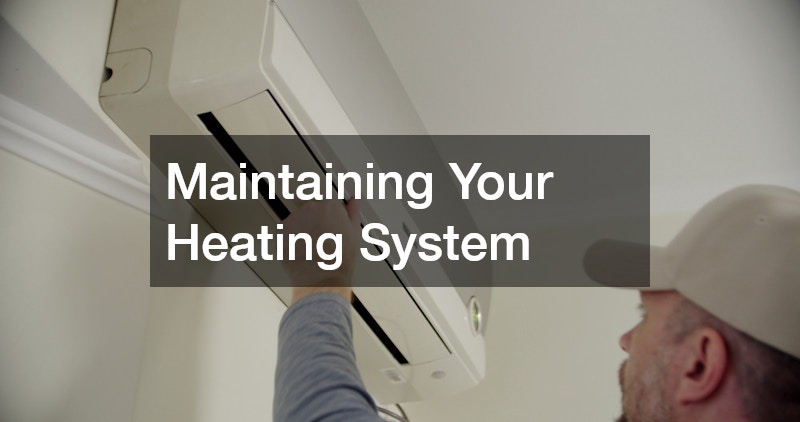
Your heating system works harder during winter than at any other time of year, which makes regular maintenance essential. Partnering with reputable heating companies can help identify minor issues before they become larger problems. A professional inspection can reveal worn components, airflow concerns, or calibration issues that affect performance.
Routine servicing supports consistent heat distribution throughout your home. When a system is well maintained, it responds more efficiently to temperature changes and maintains comfort without unnecessary strain. Heating companies often recommend seasonal checkups as a way to prepare systems for prolonged use.
Maintenance also plays a role in indoor air quality. Clean components and proper airflow contribute to a healthier living environment during months when windows stay closed and fresh air circulation is limited.
Maintaining Your Entire HVAC System
While heating is the primary focus in winter, your entire HVAC system still matters. Working with experienced HVAC companies can help confirm that all components are functioning together properly. Even though cooling isn’t in use, parts like ductwork, filters, and ventilation systems continue to affect indoor comfort.
A full system check allows HVAC companies to spot inefficiencies that may lead to uneven temperatures or higher energy use. Clean filters and sealed ducts help warm air move through your home more effectively, which supports overall system performance.
Addressing HVAC concerns before winter reduces the likelihood of mid-season service calls. A system that’s been reviewed and adjusted ahead of time is better prepared to handle continuous operation during cold weather.
Choosing Cozy Lighting
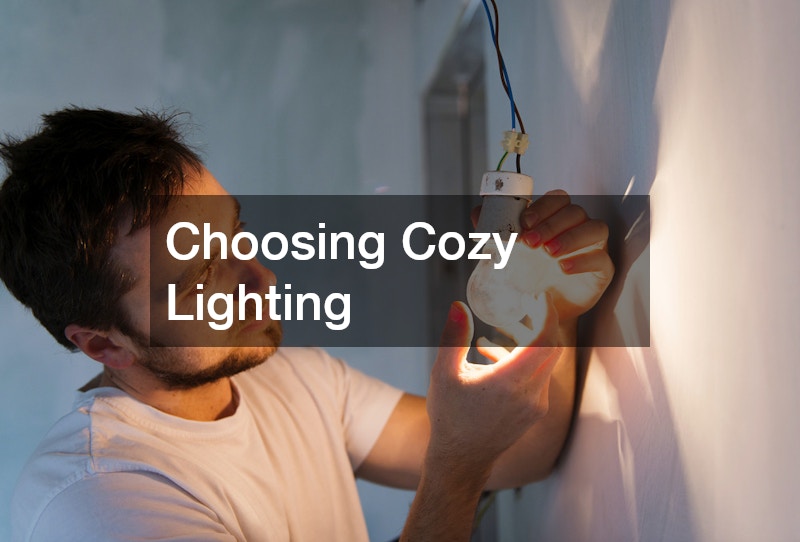
Winter often means darker mornings and longer nights, which makes indoor lighting especially important. Thoughtful lighting choices can transform how your home feels during colder months. Warm-toned bulbs and layered lighting create a more inviting atmosphere that offsets the lack of natural light.
Consulting local electricians can be helpful if you’re considering upgrades or additions to your lighting setup. From installing dimmers to adding accent lighting, local electricians can suggest options that balance comfort with energy efficiency.
Lighting isn’t just about visibility; it also affects mood. Soft, warm lighting can make spaces feel more relaxed and comfortable, which is particularly valuable during long stretches of winter weather.
Investing in a New Water Heater
Hot water becomes even more essential during winter, whether it’s for long showers or daily household tasks. An aging system can struggle to keep up with increased demand, which is why some homeowners consider upgrading to a tankless electric water heater.
A tankless electric water heater provides hot water on demand without the need for a storage tank. This setup can be especially useful during winter when usage tends to increase. It also frees up space and offers consistent performance.
Upgrading your water heater before winter arrives reduces the risk of unexpected breakdowns. Reliable hot water contributes significantly to daily comfort when outdoor temperatures drop.
Installing Hurricane Impact Windows
Cold drafts and heat loss often come from outdated windows. While commonly associated with storm protection, impact window installation can also improve insulation during winter. These windows are designed to create a tighter seal, which helps maintain indoor temperatures.
Impact window installation reduces air leakage, making it easier for your heating system to maintain consistent warmth. Fewer drafts translate into a more comfortable home and reduced strain on heating equipment.
In addition to thermal benefits, these windows also help reduce outdoor noise and add an extra layer of durability, making them a worthwhile consideration for long-term home performance.
Painting Your Home’s Interior

Winter is a popular time for interior projects, and refreshing your walls can make your home feel brighter and more inviting. Working with an interior painting company allows you to update your space while spending more time indoors.
Fresh paint can dramatically change the feel of a room, especially when using warm, neutral tones that reflect light. An interior painting company can help select colors that enhance natural and artificial lighting during darker months.
Painting during winter also takes advantage of consistent indoor temperatures, which helps paint cure properly. It’s a productive way to improve your living space while staying warm inside.
Servicing Your Furnace
Your furnace is the backbone of winter comfort, and scheduling furnace services before peak season can make a significant difference. Professional servicing allows technicians to clean components, check safety features, and confirm proper operation.
Regular furnace services support consistent heat output and reduce the likelihood of unexpected shutdowns. When a furnace is clean and properly adjusted, it responds more effectively to thermostat settings.
Proactive servicing also helps extend the lifespan of your furnace. Addressing wear and tear early keeps the system operating reliably throughout the winter.
Maintaining Your Roof
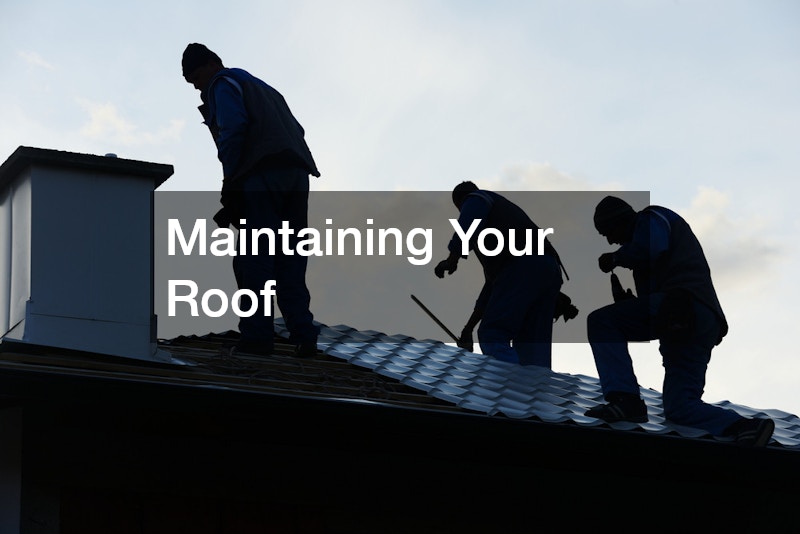
Your roof plays a critical role in protecting your home from winter weather. Snow, ice, and freezing temperatures can expose vulnerabilities that aren’t obvious during warmer months. A local roofing contractor can inspect your roof for signs of damage or wear.
Working with a local roofing contractor before winter allows time for repairs or reinforcement. Addressing loose shingles, flashing issues, or drainage concerns reduces the risk of leaks and ice-related damage.
A well-maintained roof also supports insulation performance by keeping moisture out. This helps maintain indoor temperatures and protects structural components from winter stress.
Waterproofing Your Basement
Basements are particularly vulnerable during winter due to melting snow and frozen ground. Basement waterproofing helps manage moisture and prevents water intrusion that can lead to damage or mold growth.
Investing in basement waterproofing provides long-term protection by addressing cracks, drainage issues, and foundation concerns. A dry basement contributes to overall home comfort and protects stored belongings.
Waterproofing also supports structural integrity. Keeping moisture under control during winter reduces pressure on foundation walls and helps maintain a healthier indoor environment.
Winterizing Your Home
Winterizing your home involves pulling all these elements together into a cohesive plan. Sealing drafts, adjusting insulation, and confirming system readiness creates a home that’s prepared for extended cold weather.
Small steps like checking weatherstripping, insulating pipes, and reviewing thermostat settings add up to noticeable improvements. Each task supports the next, building a more resilient home.
By addressing heating, lighting, water systems, and structural components, you create a balanced approach to winter readiness that supports comfort and reliability.
Preparing for winter is an ongoing process that benefits from thoughtful planning and timely action. When each system in your home is addressed with care, the result is a space that feels warm, functional, and dependable throughout the season.
A well-prepared home handles temperature changes with fewer surprises. Heating systems run smoothly, indoor spaces feel comfortable, and daily routines aren’t disrupted by avoidable issues.
Winter readiness also supports efficiency. By reducing heat loss and improving system performance, your home uses energy more effectively during months when demand is highest.
Comfort plays a major role in how winter feels. Cozy lighting, reliable hot water, and consistent heating make indoor time more enjoyable, especially during long stretches of cold weather.
Preparation reduces stress. Knowing that your roof, basement, and mechanical systems have been reviewed allows you to focus on seasonal activities rather than emergency repairs.
Each improvement you make adds another layer of protection. Over time, these upgrades contribute to a home that performs better year after year, not just during winter.
Winter can be demanding, but it doesn’t have to be difficult. A proactive approach gives you control over how your home responds to cold conditions.
By taking steps early and addressing key areas, you create a living space that supports comfort, efficiency, and peace of mind all winter long.
Winter preparation is also an opportunity to reconnect with how your home functions as a whole. When systems are checked and updated together, they tend to work more smoothly and predictably. This holistic approach helps prevent small issues in one area from creating larger problems elsewhere during colder months.
Another benefit of preparing early is scheduling flexibility. Service providers are often less rushed before winter demand peaks, which can make it easier to plan maintenance or upgrades on your timeline. This added breathing room allows for thoughtful decisions instead of quick fixes made under pressure.
Cold weather has a way of revealing weaknesses in a home, whether it’s a drafty window, uneven heating, or moisture buildup. Addressing these areas ahead of time gives you the advantage, helping you stay comfortable even when temperatures drop unexpectedly.
Seasonal preparation also supports long-term home care. Many of the steps taken for winter, such as roof inspections or basement moisture control, contribute to the overall durability of your property. These efforts don’t just solve immediate concerns; they protect your home year after year.
Comfort during winter isn’t only about warmth. A well-prepared home feels quieter, cozier, and more stable. Consistent temperatures, reliable systems, and thoughtfully designed lighting can make winter days indoors feel calm rather than confined.
Planning for winter can also be empowering. Knowing that you’ve taken steps to prepare allows you to approach the season with confidence instead of uncertainty. That sense of readiness can make a noticeable difference during long stretches of cold weather.
Homes that are properly winterized tend to recover more easily when spring arrives. Systems that haven’t been overworked or neglected during winter often require fewer repairs later, making seasonal transitions smoother.
Ultimately, getting your home ready for a long winter is about creating a space that supports your daily life without interruption. With preparation, winter becomes a season to settle in and enjoy, rather than one spent reacting to avoidable challenges.