A truly healthy home is about more than clean countertops and a stocked pantry. It means having a plan for every stage of life under your roof, from a newborn’s first checkup to a grandparent’s aching knees, and knowing where to turn before small problems become big ones. Building this kind of wellness-centered household takes some upfront research, but the payoff is fewer scrambled mornings, faster recoveries, and a family that feels genuinely supported. This guide walks through the practical building blocks so you can create a home base for health that actually works for everyone in it.
Establish a Medical Home Base for Your Family

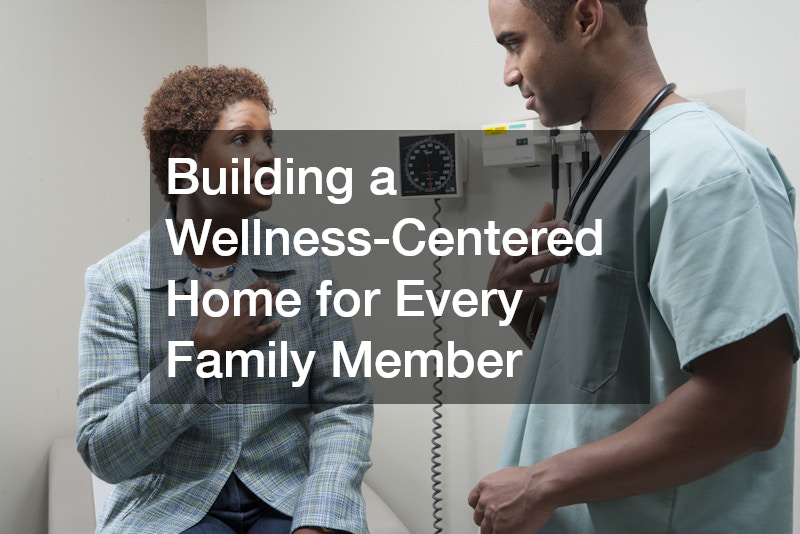
Every household benefits from having a consistent point of contact for health concerns rather than piecing things together during a crisis. Establishing a relationship with family doctors who know your household’s history means appointments move faster and advice is more personalized over time. Instead of repeating your medical history to a new provider every visit, you’re working with someone who already has that context on file.
This continuity matters especially when someone has a chronic condition, since a provider who already understands the full picture can catch changes early. A doctor who has tracked a child’s asthma for three years, for example, will notice a subtle shift in symptoms that an urgent care visit might miss entirely. The same holds true for aging parents managing blood pressure, diabetes, or arthritis, where small trends over time often matter more than any single reading.
When choosing this home base, consider practical factors like office hours, telehealth options, and how quickly you can get a same-day appointment when something urgent comes up. It’s also worth checking whether the practice coordinates easily with specialists, labs, and pharmacies, since that network effect saves time when referrals are needed. Some families find it helpful to keep everyone with the same practice, or at least within the same health system, so records stay connected.
Think of this relationship as the anchor around which the rest of your wellness plan is built. Once it’s in place, everything from vaccination schedules to mental health check-ins becomes easier to manage and track.
Choosing a practice also means thinking about logistics, not just credentials. A local primary care doctor who is genuinely reachable, whether by phone, patient portal, or a short drive, becomes far more useful in daily life than a highly rated specialist across town.
Before committing, consider a few practical questions. How quickly can you get a same-day or next-day appointment when a child spikes a fever or a family member twists an ankle? Is there a nurse line or portal messaging system for quick questions that don’t require an office visit? And does the office offer evening or weekend hours for working parents juggling school and job schedules?
Distance matters more than most families expect. A practice within 15 to 20 minutes of home or work means fewer missed appointments and less stress when someone is already feeling unwell. If a long commute is unavoidable, weigh it against the availability of telehealth visits, which many practices now offer for follow-ups, prescription renewals, and minor concerns.
Finally, think about continuity. A office that keeps consistent records, coordinates easily with specialists, and remembers your family’s history over time will save you from repeating your story at every visit. That kind of accessible, well-connected care is what turns a doctor’s office into a true medical home base.
- Ask whether the practice offers same-day sick visits, and how urgent concerns are handled after hours or on weekends
- Confirm which insurance plans and payment options are accepted, including whether they participate in-network with your specific plan tier
- Check office hours against your family’s actual schedule, factoring in early mornings, evenings, or weekend availability for working parents
- Look for a portal that allows easy prescription refills and messaging, plus access to lab results and visit summaries
- Verify the practice can grow with your family, from pediatric care through adult and senior needs
- Ask about average wait times for both routine and urgent appointments to gauge real-world accessibility
Plan Ahead for Newborn and Infant Checkups
Bringing a new baby home is overwhelming enough without scrambling to find medical care afterward. Lining up newborn pediatricians before delivery gives new parents one less thing to worry about during those first sleep-deprived weeks. Many practices allow prenatal meet-and-greet visits, which is a great chance to ask about vaccination philosophy, after-hours availability, and how quickly they can see a sick infant.
Early well-checks are about far more than tracking weight gain. These visits catch feeding issues, developmental delays, and hearing or vision concerns while they are still easy to address.
- Schedule the first newborn visit within two to three days of hospital discharge
- Ask about a direct nurse line for urgent overnight questions
- Confirm the practice’s policy on separating sick and well-child waiting areas
Know Where to Go for After-Hours Illness and Injury

Fevers spike, sprained ankles happen, and stomach bugs rarely wait for regular office hours. Knowing in advance which pediatric urgent care clinic is closest to home saves precious time when a child is uncomfortable and parents are anxious. These clinics are typically equipped for common issues like ear infections, minor fractures, and croup, without the long wait times often associated with a hospital emergency room.
It is worth mapping out your options before you actually need them, since searching for a facility mid-crisis adds unnecessary stress. Save the address and hours of your preferred location in your phone, and keep a backup option in mind in case wait times or availability change.
- Confirm whether the clinic treats infants under six months
- Ask what imaging and lab work is available on site
- Check if they can send records directly to your family doctor afterward
Recognize When a Situation Requires a Higher Level of Care
Not every health scare can be handled at home or in an urgent care setting, and knowing the difference can be lifesaving. Urgent care centers are equipped for issues like minor fractures, mild dehydration, sprains, and infections that need same-day attention but aren’t immediately life-threatening. Serious symptoms like difficulty breathing, uncontrolled bleeding, chest pain, sudden weakness or slurred speech, and a head injury with loss of consciousness call for a trip to the local emergency hospital rather than waiting for a next-day appointment.
It helps to talk through a few scenarios as a family so everyone, including older children, understands the warning signs that shouldn’t wait. A high fever in an infant under three months, an allergic reaction with swelling of the face or throat, or a fall from a significant height are all situations where minutes matter. Keeping a simple written list of these red-flag symptoms on the fridge or saved in your phone can cut through panic when a real emergency hits.
Having this facility identified ahead of time, along with the fastest driving route and an alternate route in case of traffic or road closures, removes hesitation in a genuine emergency. It’s also worth confirming which local emergency hospital is in-network for your insurance and noting the location of the nearest one if you’re traveling or staying somewhere unfamiliar. A few minutes of preparation now can shave critical time off your response later, when clear thinking is hardest to come by.
It also helps to talk through emergency scenarios with older children and any caregivers who spend time in your home, such as grandparents, babysitters, or nannies. Everyone should know the address of the nearest hospital, as well as the location of the closest urgent care center for less severe injuries that still need prompt attention. Posting this information on the refrigerator or programming it into every caregiver’s phone removes the guesswork in a stressful moment.
Understanding when calling 911 is the right call instead of driving yourself can genuinely save a life. Warning signs like difficulty breathing, uncontrolled bleeding, sudden confusion, a seizure, or a severe allergic reaction all warrant an ambulance, since paramedics can begin treatment on the way to the hospital rather than after arrival. In contrast, a deep cut that needs stitches or a suspected broken bone without other complications can usually wait for a car ride.
It’s also worth reviewing what information a 911 dispatcher will ask for: your address, the nature of the emergency, and the age and condition of the person affected. Keeping a written list of allergies, medications, and pediatricians’ or physicians’ phone numbers near the phone or saved in a shared family app ensures that whoever is home during an emergency, whether it’s a parent, teenager, or babysitter, can answer quickly and accurately.
- Post emergency contact numbers and addresses somewhere visible in the kitchen, including pediatrician, primary care doctor, poison control, and a nearby urgent care
- Keep a small emergency bag with insurance cards, ID, a medication list, and a small amount of cash ready to grab
- Review with caregivers which symptoms warrant an immediate hospital visit, such as difficulty breathing, a fever above 104°F, or sudden confusion
- Agree in advance on when to call 911 versus drive to urgent care versus schedule a next-day appointment
- Keep a written list of allergies, chronic conditions, and current medications with dosages for anyone who might need to relay this to first responders
- Walk babysitters or grandparents through the home’s specific exits, first aid kit location, and any child’s unique medical needs before they’re left in charge
Support Muscle and Joint Health for Active Family Members

Growing kids, weekend athletes, and parents hauling car seats all put strain on muscles and joints in different ways. Many families find that chiropractic services help with posture issues, sports injuries, and the kind of chronic back tension that builds up from long commutes or desk work. A trained provider can also offer guidance on stretching and body mechanics that prevents future strain, rather than just treating pain after it appears.
For injuries that involve rehabilitation rather than adjustment, local physical therapy is often the better fit, particularly after surgery, a significant sprain, or a fall. Physical therapists design progressive exercise plans that rebuild strength safely, which is especially important for older family members recovering from a hip or knee procedure.
- Ask whether a referral from your doctor is needed before scheduling
- Request a home exercise plan you can follow between visits
- Look for providers experienced with the specific age group needing care, whether pediatric or senior
Manage Chronic Headaches Without Guesswork
Headaches are one of the most common complaints in any household, yet families often manage them with a hit-or-miss approach. Simple headache remedies like staying hydrated, maintaining a consistent sleep schedule, and reducing screen glare can resolve a surprising number of tension headaches before they escalate. Keeping a basic log of when headaches occur, alongside food, stress, and sleep patterns, often reveals triggers that aren’t obvious in the moment.
Recurring or severe headaches deserve a conversation with a medical provider rather than repeated reliance on over-the-counter medication. Migraines in particular can have specific triggers and treatment options that a doctor can help identify, and ruling out other causes brings real peace of mind.
- Track headache frequency, duration, and possible triggers for a few weeks
- Limit caffeine and screen time before bed
- Seek medical evaluation if headaches disrupt sleep or daily activities
Prioritize Emotional Wellness Alongside Physical Health

Physical checkups tend to get scheduled automatically, but emotional wellbeing is just as essential to a thriving household and often gets overlooked. Making use of mental health services, whether through counseling, family therapy, or support groups, helps normalize conversations about stress, anxiety, and big life transitions for both kids and adults. Many practices now offer virtual sessions, which makes it easier to fit support into a busy family calendar.
Watching for changes in mood, sleep, appetite, or school and work performance can help you catch concerns early, before they become larger struggles. Talking openly about therapy as a normal tool for staying healthy, rather than a last resort, sets a tone that carries into adulthood for children watching how their parents handle stress.
- Ask a provider about age-appropriate therapy options for children
- Check whether your insurance covers a set number of counseling sessions
- Consider family sessions during major transitions like moves or divorce
Keep Dental Health on the Family Calendar
Oral health is closely tied to overall wellness, yet dental visits are often the first appointment to get pushed back when schedules get busy. Routine tooth cleaning every six months removes plaque buildup that brushing alone can miss and gives a dentist the chance to catch small cavities before they require more invasive treatment. This is just as true for young children as it is for adults, since early dental habits set the tone for lifelong oral care.
- Schedule the whole family’s cleanings around the same time to simplify logistics
- Ask about fluoride treatments and sealants for children’s teeth
- Bring up jaw pain or teeth grinding during your visit, since these can signal stress
Build a Simple Home Health Routine That Sticks
All the right providers in the world won’t help much without consistent habits at home to support them. A simple weekly routine, covering meal planning, activity time, and medication or vitamin schedules, keeps wellness from becoming an afterthought squeezed in around everything else. Involving kids in age-appropriate parts of this routine, like packing their own water bottle or choosing a vegetable for dinner, builds habits that stick into adulthood.
Reviewing this routine every few months lets you adjust for growth spurts, new activities, or changing schedules. What worked when your child was in preschool likely needs updating by the time they reach middle school sports.
- Set a recurring reminder for appointment scheduling each season
- Keep a shared family calendar for checkups, practices, and therapy sessions
- Revisit sleep and screen time rules as kids get older
Creating a wellness-centered home doesn’t happen overnight, but it comes together quickly once you have the right providers and routines identified. Start by locking in a trusted doctor and pediatrician, then build outward to cover dental care, emotional support, and injury recovery as your family’s needs evolve. The goal isn’t perfection, just preparation, so that when health needs arise, big or small, your family already knows exactly where to turn.