The appeal of buying a run-down property with great bones is undeniable. For many, it represents the ultimate creative challenge: taking a structure that has been neglected, outdated, or poorly maintained and reimagining it as a sophisticated estate. The creative journey can be rewarding and even fun! However, bridging the gap between a budget fixer-upper and a genuinely high-end residence requires far more than a coat of premium paint and some trendy light fixtures. True luxury is felt as much as it is seen. It lives in the structural integrity of the building, the seamless flow of the floor plan, the quiet efficiency of the mechanical systems, and the meticulous execution of architectural details.
When you embark on a comprehensive transformation, you are essentially rewriting the story of a property. This process demands a strategic mindset, strict financial discipline, and a deep understanding of where to allocate your capital for the highest impact. To successfully elevate a diamond in the rough into an upscale sanctuary, you must balance visible aesthetic grand gestures with invisible infrastructure upgrades. This comprehensive guide will walk you through the essential phases of turning an overlooked property into an extraordinary estate, ensuring that your investment yields a home of timeless elegance and exceptional quality.
1. Navigating the Real Estate Market for Premium Potential

The journey to creating an upscale residence begins long before any demolition hammers swing. It starts with the calculated acquisition of a property that possesses the baseline physical and geographical characteristics necessary to support a high-end transformation. Not every run-down house can, or should, be turned into an estate. You must carefully analyze the neighborhood ceiling to ensure you do not inadvertently over-improve the property relative to its surroundings. Look for areas where historical home values are consistently strong and where neighboring properties already exhibit premium characteristics.
When you are actively evaluating properties and buying houses with renovation in mind, look past cosmetic decay and focus entirely on foundational elements. Prioritize structures that offer generous ceiling heights, favorable solar orientation, and flexible floor plans that allow for modern, open-concept living without requiring catastrophic structural re-engineering. The ideal target is a property that has been neglected cosmetically but remains structurally sound. Navigating the financial logistics of these transactions requires a clear understanding of renovation financing, ensuring you secure enough liquid capital to fund both the purchase and the extensive construction phase required to deliver a true luxury home.
2. Crafting an Architectural Vision and Layout Strategy
Once the property is secured, the next phase involves establishing a cohesive architectural vision that honors the original character of the building while integrating modern design principles. High-end homes are defined by a sense of deliberate scale, proportion, and spatial harmony. You should work closely with a residential architect to map out how movement flows from one room to the next, eliminating awkward transitions, narrow hallways, and fragmented spaces that are common in older, budget-friendly designs.
Achieving an upscale feel requires a focus on volume and light. If the existing structure allows, consider raising ceilings, adding floor-to-ceiling windows, or creating dramatic sightlines that connect the interior directly with the landscape. Every wall that is removed or moved should serve a distinct purpose, such as framing a specific view or creating an effortless transition between formal hosting areas and private family spaces. The layout must feel intuitive, expansive, and tailored specifically to an elevated modern lifestyle.
3. Elevating Estate-Level Exterior Curb Appeal
The exterior of your property sets the tone for the entire interior experience, acting as the initial handshake between the home and your guests. Achieving an estate-level presence requires a comprehensive approach to the surrounding land, hardscaping, and architectural facade. Standard tract-home landscaping relies on generic shrubs and simple lawns, whereas an upscale exterior utilizes layered, mature plantings, custom masonry, and deliberate architectural lighting to frame the home like a piece of fine art.
To execute this vision flawlessly, you must invest in bespoke landscape designs that harmonize with the architectural style of the home, utilizing native stone, custom walkways, and a curated color palette of flora. Before you can implement these sophisticated outdoor layouts, you must address any underlying environmental hazards or overgrown vegetation that detracts from the property’s grandeur. Hiring a professional emergency tree service during the initial clearing phase allows you to safely remove dead, diseased, or poorly positioned trees that block natural light, threaten the structural integrity of the roof, or disrupt the symmetry of your planned estate grounds.
4. Overhauling Core Gathering Spaces for Maximum Impact
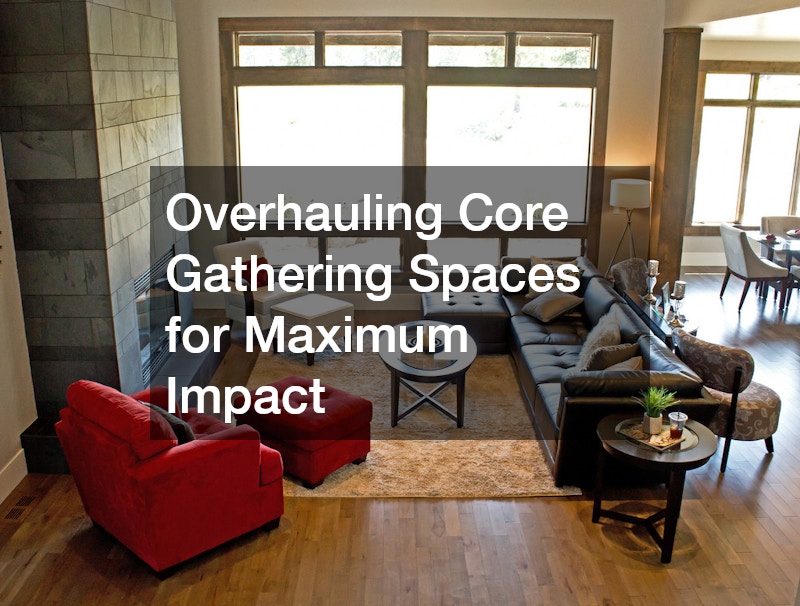
The main living areas and kitchens serve as the true anchors of a high-end home, where the quality of craftsmanship is instantly noticeable to anyone who enters. Transforming these core spaces involves moving away from builder-grade, off-the-shelf materials and embracing custom, artisan-level finishes. This means replacing standard drywall corners with crisp, architectural reveals, upgrading to heavy solid-core doors that provide acoustic privacy, and selecting wide-plank hardwood or premium natural stone flooring.
The absolute epicenter of this transformation is a comprehensive kitchen renovation that prioritizes both professional-grade functionality and minimalist visual elegance. Think integrated appliances that disappear into the cabinetry, thick-slab natural quartz or marble countertops with book-matched veining, and a layout optimized for both daily family life and high-volume entertaining. To tie the entire floor together and maintain a seamless transition into adjoining formal spaces, you should employ specialized refinishing contractors who can flawlessly restore historical flooring elements or apply custom, site-applied stains to new hardwoods, ensuring a perfectly uniform and rich finish across the entire level.
5. Implementing Bespoke Storage and Custom Millwork
A defining characteristic of an upscale residence is the complete absence of visual clutter, achieved through highly intentional, integrated storage solutions. Standard homes rely on basic closets and wire shelving, which forces furniture to do the heavy lifting of organization. In contrast, premium interior design treats storage as an architectural feature, utilizing floor-to-ceiling millwork and hidden storage compartments that maintain the clean, uninterrupted lines of the rooms.
In the kitchen, pantry, or primary suites, maximizing vertical space is essential for creating a sense of grandeur and keeping everyday items out of sight. Integrating a custom, built-in tall storage cabinet into your wall transitions allows you to conceal small appliances, linens, or media equipment while emphasizing the height of the ceilings. These custom millwork pieces should feature soft-close European hardware, integrated LED task lighting, and facing materials that perfectly match the surrounding architectural woodwork, making the storage feel like a permanent, seamless extension of the wall itself.
6. Executing Premium Bath and Wellness Retreat Surrounds
The primary bathroom of a high-end property should function less like a utilitarian utility space and more like a private, world-class wellness retreat. Achieving this level of indulgence requires a complete departure from standard plumbing configurations and finish selections. You want to focus on creating a sensory experience centered around water, light, and stone.
Consider installing low-profile linear drains, curbless walk-in showers wrapped in floor-to-ceiling slab stone, and freestanding soaking tubs carved from solid composite materials. Multi-fixture shower systems featuring rain heads, body sprays, and digital thermostatic valves provide a highly customizable experience. To further enhance the spa-like atmosphere, integrate invisible luxuries like radiant in-floor heating, automated steam systems, and smart mirrors with integrated lighting and anti-fog capabilities, ensuring the space is as intellectually advanced as it is visually spectacular.
7. Fortifying Structural Systems and Environmental Controls
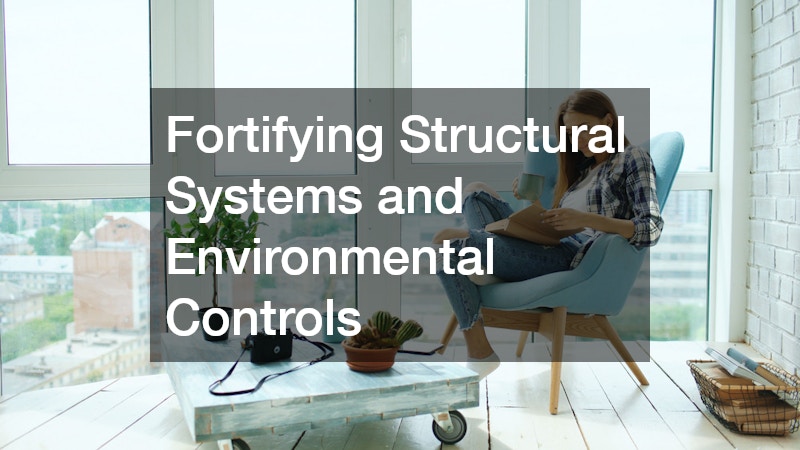
It is a common error to spend an entire renovation budget on visible cosmetic upgrades while leaving the aging, inefficient infrastructure of a fixer-upper intact. A home cannot truly be considered premium if the indoor climate is uneven, the water pressure is weak, or the electrical panel is dangerously overloaded. During the demolition phase, when the walls are completely open, you have a rare window of opportunity to completely overhaul the building’s mechanical spine.
This involves upgrading to high-efficiency, multi-zone HVAC systems that allow for precise climate control in individual rooms, accompanied by museum-quality air filtration and humidity regulation systems. Replace outdated galvanized plumbing with modern, high-flow systems that ensure consistent water pressure across all bathrooms simultaneously. Additionally, run comprehensive Cat-6 structural wiring and fiber-optic lines throughout the framing, establishing a robust digital backbone that can seamlessly support future smart home automation, security arrays, and high-speed networking.
8. Protecting Underlying Building Assets Long-Term
When you invest significant capital into premium wall finishes, custom cabinetry, and exotic hardwood flooring, protecting those investments from environmental degradation is paramount. Older properties that have sat vacant or neglected are highly susceptible to silent, structural threats that can completely ruin expensive interior upgrades from the inside out. Moisture intrusion and biological pests can quietly compromise framing and subfloors long before any damage becomes visible on your new plaster walls.
Therefore, it is a critical phase of construction to engage a specialized pest control service to perform a thorough, deep-system inspection while the home’s framing is completely exposed during the gut-renovation process. Implementing an aggressive, preventative sub-slab and perimeter pest control regimen ensures that wood-boring insects, rodents, and other destructive elements are permanently barred from the structure. This proactive step provides an essential layer of security, guaranteeing that your expensive finishes rest on a foundation that is thoroughly protected against long-term decay.
9. Integrating Backup Power and Utility Resilience
True peace of mind is one of the greatest luxuries a home can provide, especially in an era of increasingly unpredictable weather patterns and strained municipal utility grids. A modern estate should function as a self-sustaining sanctuary capable of maintaining absolute comfort, security, and connectivity regardless of external conditions. Sophisticated buyers and homeowners look for properties that offer uninterrupted operational continuity.
To achieve this level of structural independence, you should integrate a whole-home residential generator directly into your main electrical infrastructure. Positioned discreetly on a custom concrete pad and screened by architectural landscaping, this system connects directly to your fuel supply and monitors utility power continuously. The moment municipal power drops, the system automatically transfers the electrical load within seconds, ensuring that your climate control, security systems, automated lighting, and refrigeration continue running without a single interruption, preserving both your comfort and your home’s sophisticated operations.
10. Curating Lighting Artistry and Automation
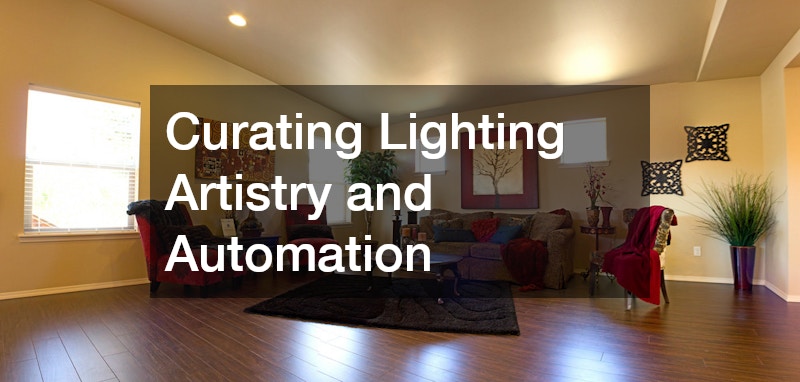
The final layer that elevates a beautifully renovated structure into a breathtaking masterpiece is the lighting design. High-end lighting goes far beyond simply illuminating a room; it sculpts the space, defines architectural boundaries, and influences the mood of the inhabitants. Rather than relying on a grid of standard recessed ceiling cans, an upscale lighting plan utilizes a sophisticated mix of ambient, task, and accent lighting layered at different heights throughout the home.
Work with a lighting designer to incorporate discrete, small-aperture LED fixtures that feature warm-dimming technology, allowing the light to mimic the rich, golden hue of incandescent bulbs as it lowers. Use concealed LED cove lighting to wash ceilings with soft illumination, install low-level step lights along staircases, and utilize precise art-spotlights to highlight fine paintings or architectural features. Tie all of these elements into a centralized smart automation system, allowing you to transition the entire property from a bright, energetic daytime setting to a warm, intimate evening ambiance with a single touch or voice command.
Transforming a neglected fixer-upper into a world-class luxury home is a complex journey that demands a masterful combination of architectural vision, precise craftsmanship, and rigorous engineering. By systematically addressing every layer of the property, from the initial evaluation of its structural potential to the final curation of its automated lighting systems, you create a residence that is both remarkably beautiful and exceptionally resilient. The true success of such a massive undertaking lies in your willingness to value the hidden infrastructure just as highly as the visible finish materials. When premium design is supported by uncompromising structural fortification and smart utility backups, the result is more than just a renovated house. It becomes a bespoke sanctuary of comfort and elegance that protects your capital, elevates your daily lifestyle, and stands as a testament to thoughtful, enduring craftsmanship for decades to come.