
Keeping family life organized can feel like an ongoing challenge, especially when responsibilities, schedules, and errands seem to multiply overnight. Between school activities, work commitments, appointments, and household needs, it is easy for things to slip through the cracks without a clear system in place. The good news is that creating structure does not have to be complicated. With thoughtful planning and a few consistent habits, families can build routines that reduce stress and improve efficiency. The goal is not perfection but rather creating a system that works for everyone involved.
When families take the time to organize their daily lives, they often notice improvements in communication, time management, and overall well-being. Small adjustments, such as centralizing schedules or preparing ahead for appointments, can make a meaningful difference. By focusing on practical strategies and realistic expectations, it becomes easier to stay on top of errands while still making time for meaningful moments together. The following sections outline simple, actionable ways to bring more organization into family life without overwhelming your routine.
Creating a Centralized Family Calendar System
A centralized calendar serves as the foundation for organizing family life. Whether you prefer a digital app or a physical wall calendar, having one place where everyone can view schedules helps eliminate confusion. When all appointments, school events, and errands are listed clearly, it becomes easier to coordinate responsibilities and avoid scheduling conflicts. Families benefit from reviewing the calendar together at the start of each week, ensuring everyone is aware of upcoming commitments.
In addition to daily activities, it is helpful to include specialized appointments, such as visits for prosthetics services, to ensure nothing is overlooked. Keeping these important dates visible allows families to prepare in advance, arrange transportation, and allocate enough time for each commitment. Over time, maintaining a shared calendar becomes second nature, creating a reliable system that supports better time management and reduces last-minute stress.
Building Efficient Errand Routines

Running errands can quickly become overwhelming without a structured approach. Instead of handling tasks randomly, grouping errands by location or category can save both time and energy. For example, scheduling grocery shopping, pharmacy visits, and other nearby stops on the same day reduces unnecessary trips. Creating a weekly errand list also helps prioritize what needs immediate attention versus what can wait.
Families with pets often need to account for unexpected situations, such as a visit to an emergency vet. Planning flexible time slots within the week ensures that urgent needs can be addressed without disrupting the entire schedule. By building routines that allow for both planned and unplanned errands, families can stay organized while remaining adaptable to changing circumstances.
Decluttering and Assigning Functional Spaces
An organized home environment plays a significant role in maintaining order in family life. Decluttering shared spaces, such as kitchens, entryways, and living rooms, creates a more efficient flow for daily activities. Assigning designated areas for items like keys, backpacks, and mail reduces the time spent searching for essentials. When everything has a place, it becomes easier for all family members to contribute to keeping the home tidy.
For families who manage hobby or activity supplies, such as wax hands equipment for creative projects or events, having a dedicated storage area is especially important. Clearly labeled bins or shelves can prevent clutter from spreading while ensuring that items remain accessible when needed. Maintaining functional spaces encourages consistency and helps families stay on track with their routines.
Planning Ahead for Travel and Overnight Needs

Traveling as a family requires careful preparation, even for short trips. Creating a checklist for essentials, including clothing, toiletries, and necessary documents, helps streamline the packing process. Keeping a pre-packed bag with commonly used items can also save time when last-minute plans arise. When everyone knows what to expect, travel becomes less stressful and more enjoyable.
When coordinating accommodations, selecting a convenient and comfortable family hotel can make a significant difference in the overall experience. Booking in advance, confirming reservations, and noting check-in details on the family calendar ensures a smooth transition from home to destination. Thoughtful planning allows families to focus on spending quality time together rather than worrying about logistics.
An additional way to stay organized during travel is to prepare a simple itinerary that outlines daily plans, contact information, and key reservation details. Keeping both digital and printed copies ensures accessibility even if technology fails. Assigning small responsibilities to each family member, such as carrying their own essentials or checking off items on the packing list, encourages teamwork and accountability. Families can also benefit from setting realistic expectations for downtime, allowing everyone to recharge between activities. By combining preparation with flexibility, travel becomes less about managing stress and more about enjoying the experience together.
Staying Consistent With Health Appointments
Managing healthcare appointments for multiple family members can quickly become complex. Keeping track of regular checkups, follow-ups, and specialist visits requires organization and clear communication. Scheduling appointments during less busy times of the week can help minimize disruptions to daily routines. It is also helpful to keep medical records and reminders easily accessible.
For example, planning visits to a dermatologists office in advance ensures that skincare concerns are addressed without unnecessary delays. Adding these appointments to the family calendar and setting reminders can prevent missed visits. By maintaining a consistent approach to healthcare scheduling, families can stay proactive about their well-being while avoiding last-minute conflicts.
Another helpful strategy is to create a dedicated folder or digital system for storing appointment summaries, prescriptions, and follow-up instructions. This makes it easier to reference important information when needed and keeps everyone informed about ongoing care. Coordinating multiple appointments on the same day or within the same area can also reduce travel time and simplify logistics. Families may also consider setting recurring reminders for annual or semi-annual visits to ensure consistency. With a structured approach, healthcare management becomes less overwhelming and more integrated into everyday routines.
Preparing for Life Changes and Milestones

Family life often includes significant transitions, such as welcoming a new child or adjusting to changing schedules. Preparing for these milestones in advance can ease the transition and reduce stress. Creating a checklist of tasks, gathering necessary supplies, and organizing support systems are all helpful steps during these periods of change.
Working with a prenatal care provider, for instance, involves multiple appointments and preparations that benefit from careful scheduling. Keeping track of these visits and related tasks ensures that everything progresses smoothly. By planning ahead for major life events, families can stay organized while focusing on what matters most during these important moments.
It can also be beneficial to build a support network that includes family members, friends, or community resources who can assist during transitional periods. Delegating certain responsibilities, such as errands or household tasks, helps reduce the overall workload and allows more time for adjustment. Creating a timeline for key milestones provides a visual guide that keeps everyone aligned and prepared for upcoming changes. Flexibility is equally important, as unexpected adjustments may arise along the way. With thoughtful planning and support, families can navigate life changes with greater confidence and stability.
Managing Household Maintenance and Services
Routine maintenance is an essential part of keeping a household running smoothly. From appliance upkeep to home repairs, staying ahead of these responsibilities prevents larger issues from developing. Creating a seasonal checklist for maintenance tasks can help families stay organized throughout the year. Assigning responsibilities to different household members also encourages shared accountability.
Scheduling services, such as a piano service for instrument upkeep, can be easily managed when included in the family calendar. Planning these appointments in advance ensures that maintenance tasks are completed without interfering with daily routines. Staying proactive with household needs contributes to a more organized and functional living environment.
Another effective approach is to set reminders for recurring maintenance tasks, such as filter changes, inspections, or general upkeep. Keeping a simple log of completed services can help track what has been done and what still needs attention. Families may also benefit from grouping maintenance tasks into specific days or weekends to maintain consistency. Encouraging participation from all household members fosters a sense of responsibility and teamwork. By staying organized with maintenance, families can avoid disruptions and keep their home environment running efficiently.
Organizing Childcare and Daily Support
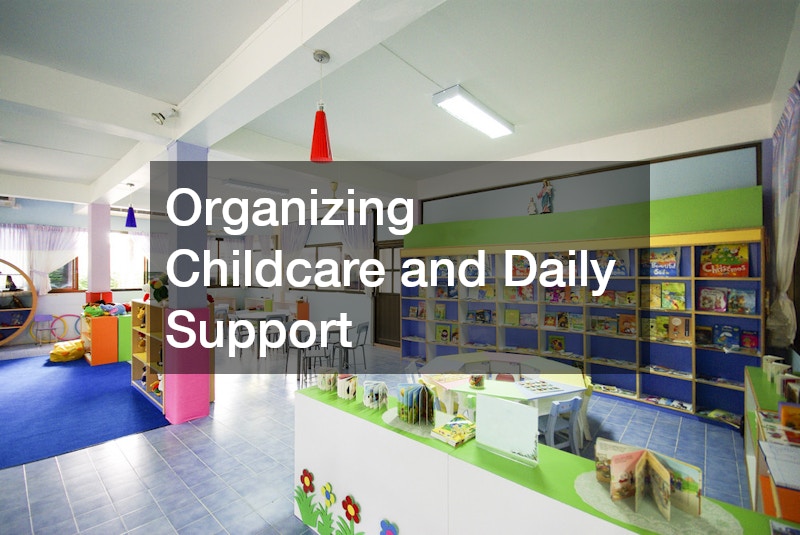
For families with young children, coordinating childcare is a key aspect of daily organization. Establishing consistent routines for drop-offs, pickups, and activities helps create stability for both parents and children. Communication between caregivers is essential to ensure that everyone is aligned on schedules and expectations.
Searching for reliable infant care near me often involves comparing options and planning visits. Once arrangements are made, adding these details to the family calendar ensures that transitions remain smooth. Keeping all childcare information organized in one place helps families stay prepared and reduces the likelihood of scheduling conflicts.
In addition to scheduling, preparing daily essentials in advance can make transitions much smoother. Packing bags the night before, organizing meals, and setting out clothing can reduce morning stress and save valuable time. Maintaining a shared communication system, such as a notebook or app, allows caregivers to exchange updates about the child’s day, needs, and routines. Flexibility also plays an important role, as unexpected changes may require quick adjustments. By staying proactive and organized, families can create a supportive childcare system that works seamlessly with their daily lives.
Keeping Track of Personal Wellness Needs
Family organization extends beyond schedules and errands to include personal well-being. Making time for self-care and wellness appointments is an important part of maintaining balance. When individuals prioritize their health, it positively impacts the entire household. Setting reminders for routine checkups or wellness visits can help maintain consistency.
For example, scheduling appointments for local hormone replacement therapy requires thoughtful planning and coordination. Including these visits in the overall family schedule ensures they are not overlooked. By integrating personal wellness into daily routines, families can create a more balanced and supportive environment for everyone.
Another helpful practice is to designate specific times during the week for personal wellness activities, whether that involves exercise, relaxation, or routine check-ins with healthcare providers. Keeping a simple tracker for appointments and wellness goals can provide motivation and accountability. Families can also encourage each other to prioritize well-being by sharing schedules and offering support when needed. Small, consistent efforts can lead to long-term improvements in overall health. By treating wellness as an essential part of the organization, families can maintain both physical and emotional balance.
Strengthening Communication and Emotional Support
Effective communication is one of the most important elements of an organized family life. Regular check-ins, whether during meals or weekly meetings, provide an opportunity to discuss schedules, address concerns, and plan ahead. Encouraging open dialogue helps family members feel heard and supported, which can improve overall harmony within the household.
In some cases, seeking guidance from a counseling center can provide additional support for managing challenges and improving communication. Scheduling these sessions alongside other commitments ensures that emotional well-being remains a priority. By fostering strong communication habits, families can navigate daily responsibilities more effectively while maintaining meaningful connections.
To further strengthen communication, families can establish simple routines such as weekly planning sessions or daily check-ins to review schedules and expectations. Creating a safe environment where everyone feels comfortable sharing thoughts and concerns encourages openness and understanding. Active listening, patience, and consistency all play a role in building stronger connections. Families may also benefit from setting shared goals and celebrating progress together. By prioritizing communication and emotional support, households can create a more organized, connected, and resilient family dynamic.
Organizing family life and errands does not require complicated systems or drastic changes. By focusing on practical strategies such as maintaining a shared calendar, grouping errands, and preparing for appointments, families can create routines that support efficiency and reduce stress. Consistency plays a key role in making these systems work, as small habits built over time lead to lasting improvements in daily life.
Ultimately, the goal of organization is to create more space for what matters most. When schedules are clear and responsibilities are managed effectively, families can spend less time worrying about logistics and more time enjoying each other’s company. With thoughtful planning and a commitment to staying organized, it becomes possible to balance responsibilities while still making room for meaningful experiences.